The project proposal was developed under a targeted funding scheme of the DANUBEPARKS Association – “Subsidy for Practical Pilot Measures” Category RRI-1: “Identification, Preparation and Implementation of Restoration Activities in the Danube River Region” within DANUBE WILDisland – Ramsar Regional Initiative 1 (RRI-1). The initiative was established by DANUBEPARKS – the Danube River Network of Protected Areas – with funding from the German Federal Ministry for the Environment, Nature Conservation, Nuclear Safety and Consumer Protection and the Secretariat of the Ramsar Convention. The priorities of Ramsar Regional Initiative 1 focus on the effective conservation of wetlands and the wise use of their resources, natural values and ecosystem services in line with the objectives of the Ramsar Convention.
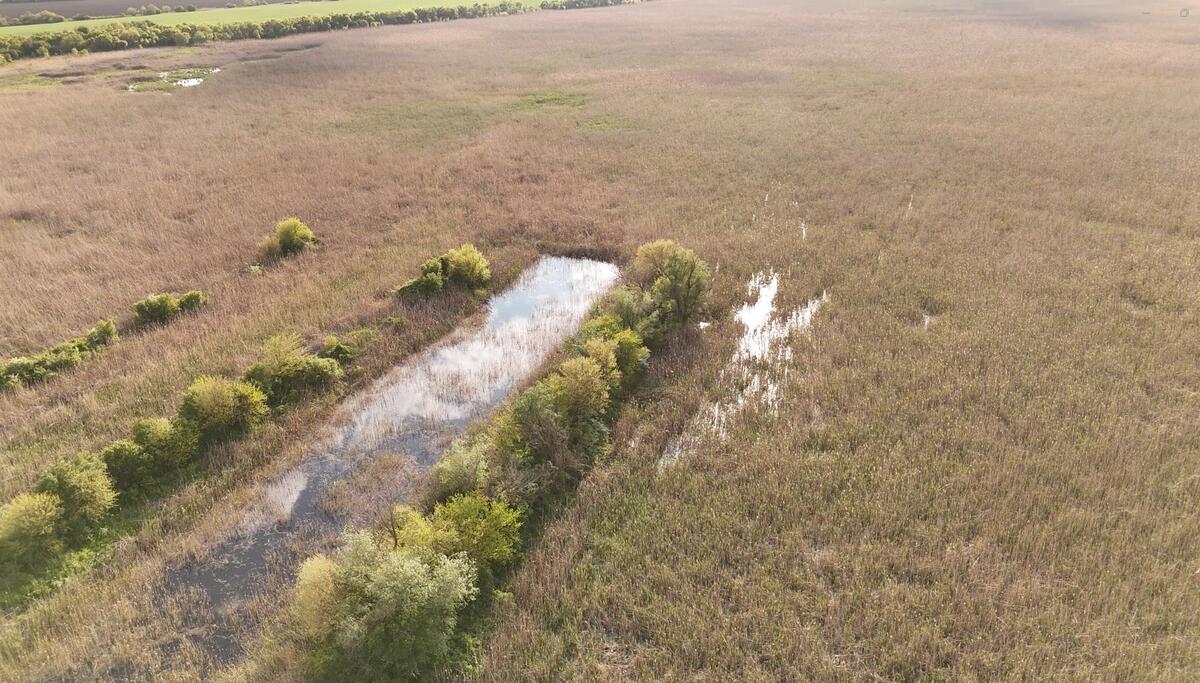
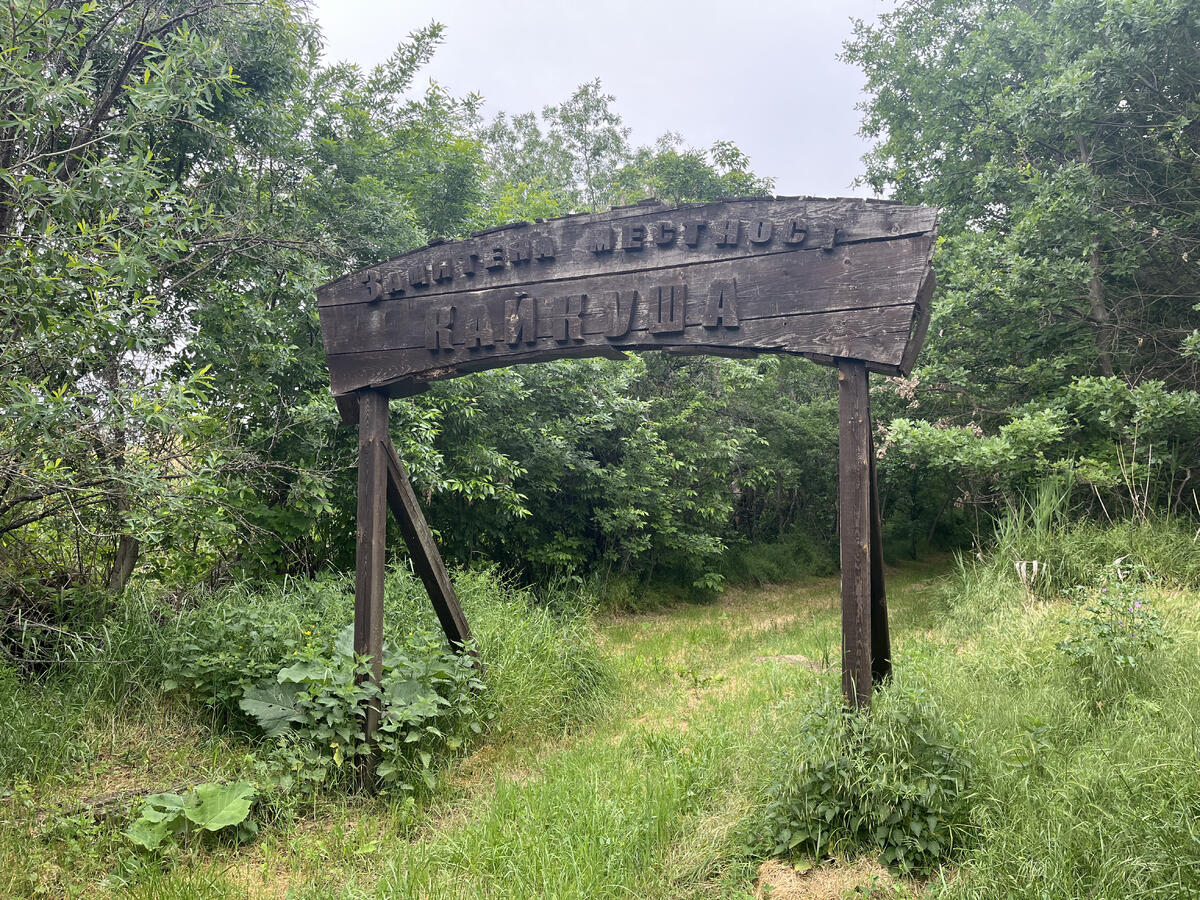
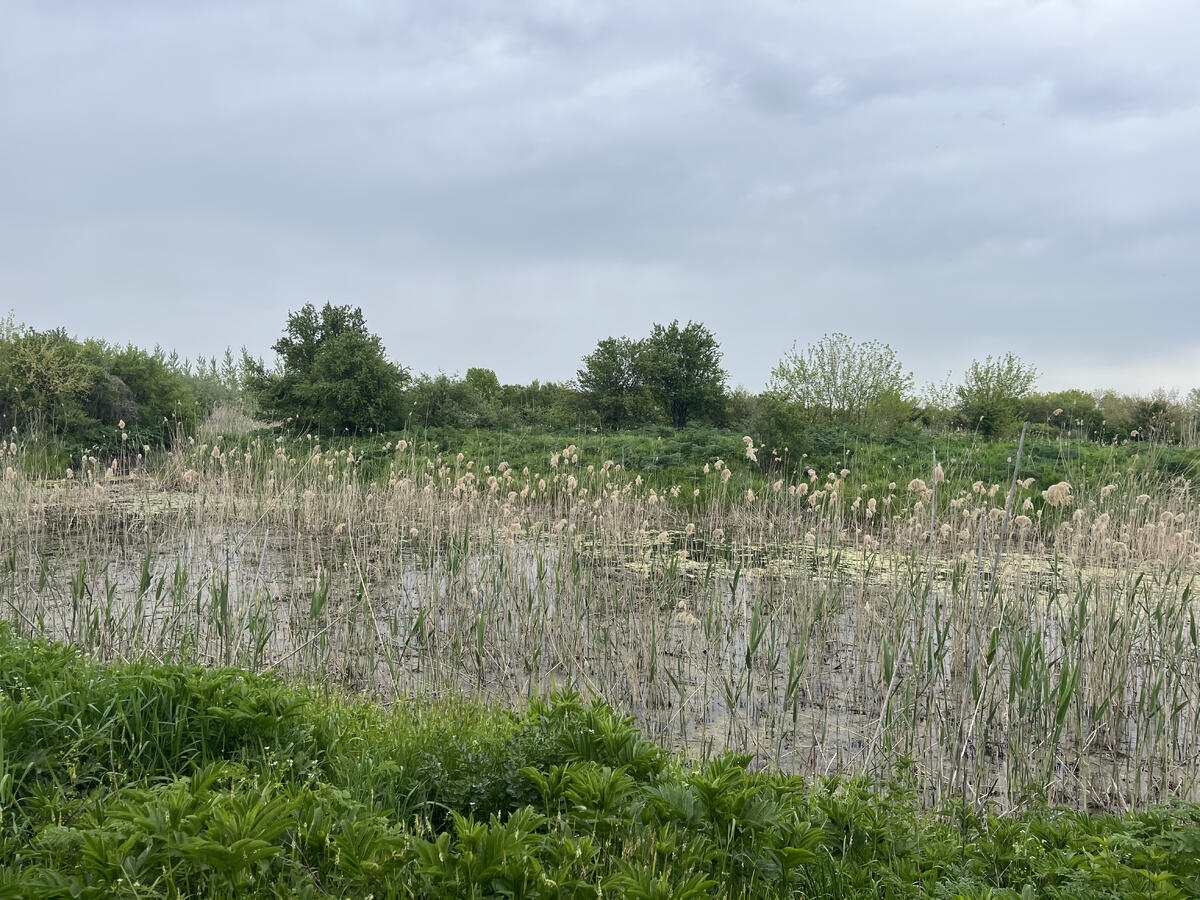
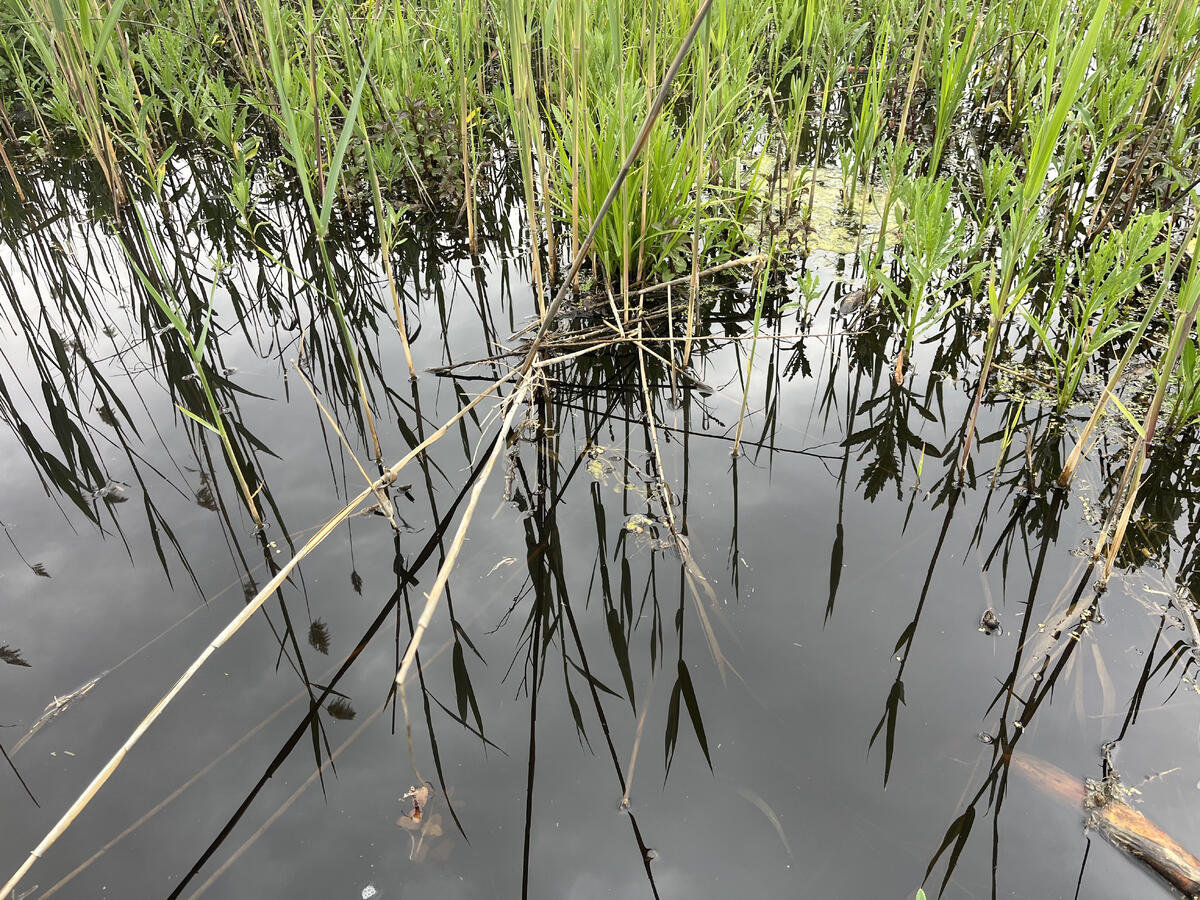
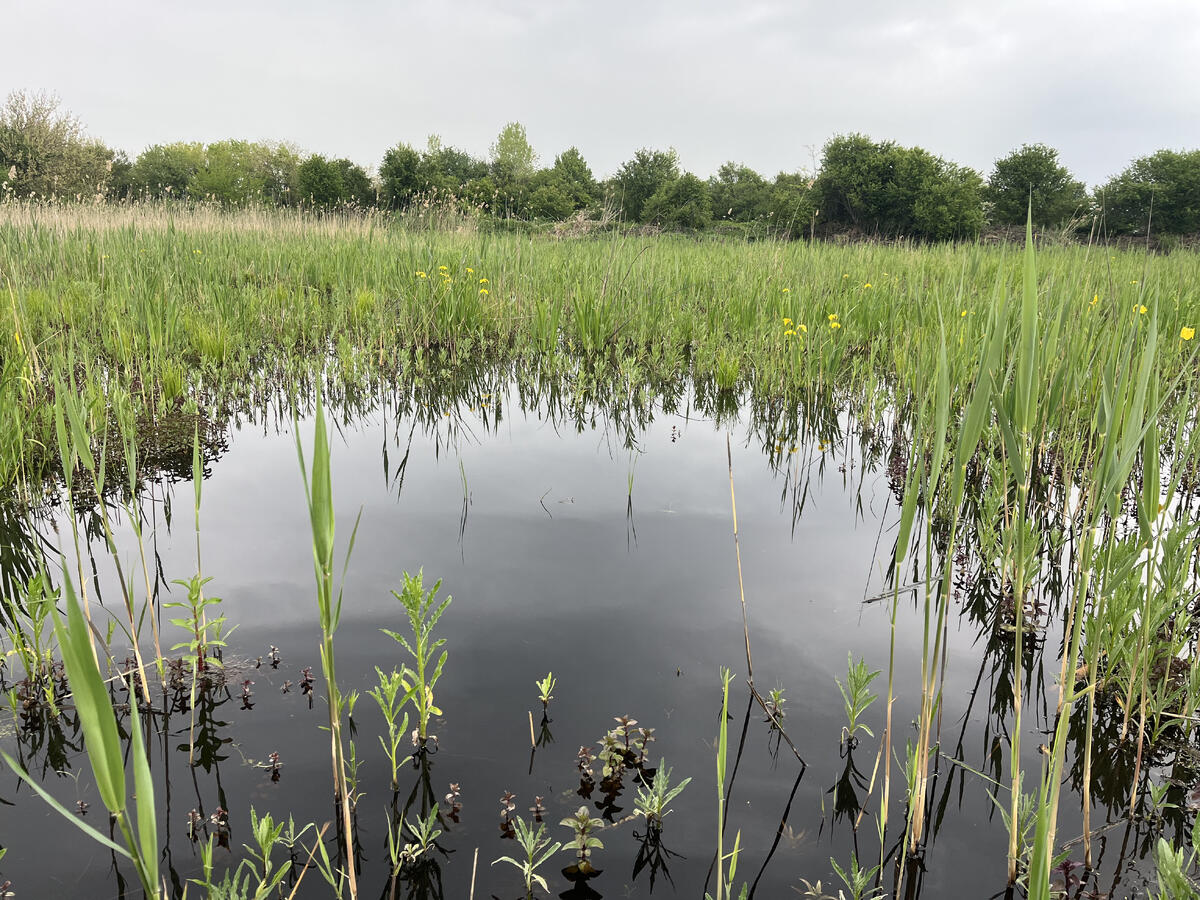
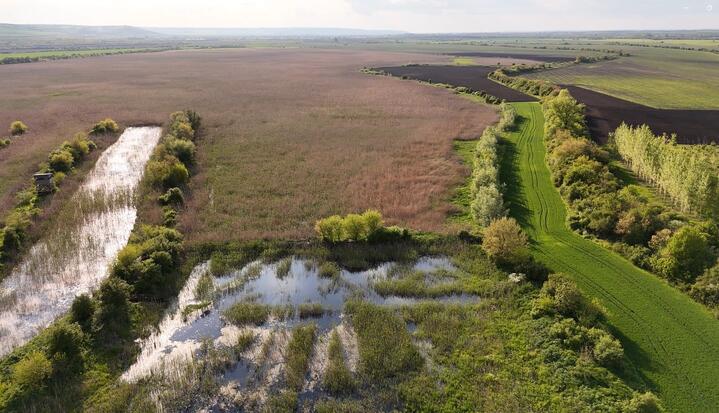
Kaikusha Wetland is a remnant of the former Svishtov–Belene Marsh, which was drained in the mid-20th century following the construction of flood protection dikes along the Danube River. In 1978, the area was designated as a protected site to conserve plant and animal species associated with aquatic environments. It is part of the Belene Islands Complex Ramsar Site, which is currently the largest Ramsar site in Bulgaria by area. Until the mid-1990s, the network of drainage and irrigation canals in the Svishtov–Belene Lowland supplied certain amounts of water to the wetland. Changes in land ownership and the restructuring of agriculture, accompanied by a reduction in irrigated farmland, gradually led to the discontinuation of maintenance and use of the irrigation system. As a result, the inflow of water to Kaikusha was interrupted, and the wetland gradually dried out. Today, the area is predominantly covered by reed beds, while open-water areas are extremely limited and do not persist throughout the year.
The main objective of Project RR-1 was to investigate the technical, regulatory and organisational possibilities for improving the water regime of Kaikusha Wetland by supplying water from the Danube River. During the 18-month implementation period, the condition of the irrigation system in the area was assessed, including through aerial surveying of the main irrigation canal, followed by on-site verification and validation of the collected data. The physical condition of the canals, the potential for gravity-fed water flow based on the gradient of their beds, the possibilities for connecting the wetland to the existing land reclamation and irrigation system, and the condition of the available pumping stations were analysed. The applicable regulatory framework and issues related to the ownership of infrastructure and land were also examined. Stakeholders were identified, and a survey was conducted to assess the attitudes of landowners and agricultural land users towards the restoration of the irrigation infrastructure. Based on the information collected, conceptual options for restoring the operation of the system were developed, together with preliminary financial estimates of potential solutions.
Communication with stakeholders and discussions on opportunities for joint action were an important part of the project. During the final meeting, the findings of the studies were presented, and the potential environmental and public benefits of improving the water regime of Kaikusha were discussed. One of the options considered was to divert water from the existing irrigation system into the wetland during periods when irrigation is not required, particularly in spring and autumn, provided that the necessary technical, regulatory and organisational conditions are met. Such an approach could create favourable conditions for restoring open-water areas and improving habitats for plant and animal species characteristic of wetlands.
With the completion of Project RR-1, a foundation has been established for future actions aimed at improving the water regime of Kaikusha Wetland and conserving the natural heritage of the area. The study findings, collected data and conceptual options developed within the project can be used in the preparation of subsequent projects and initiatives to restore the wetland’s water supply. Implementing such solutions will require continued cooperation among public institutions, landowners, agricultural land users and other stakeholders. The project provides an important basis for developing sustainable solutions that reconcile the needs of local agriculture with biodiversity conservation and the sustainable management of water resources in the region.
Text and photos:
Persina Nature Park Directorate